You have 7 days to take a photo using your mobile phone’s camera.
One of the things photographers hate hearing are the dreaded words: “Wow, what a good camera you have, these photos are great!” This week is our time to prove that taking good photos is NOT about having the fanciest gear. It’s about creativity, set-up, and good lighting! Focus on enhancing your setup – if you want your photo to look professional, use a professional setup – studio lights, choosing the right subject and story, maybe hair and makeup. If you aren’t up for all that, just make sure to identify your phone camera’s strengths and let as much light in as you can.
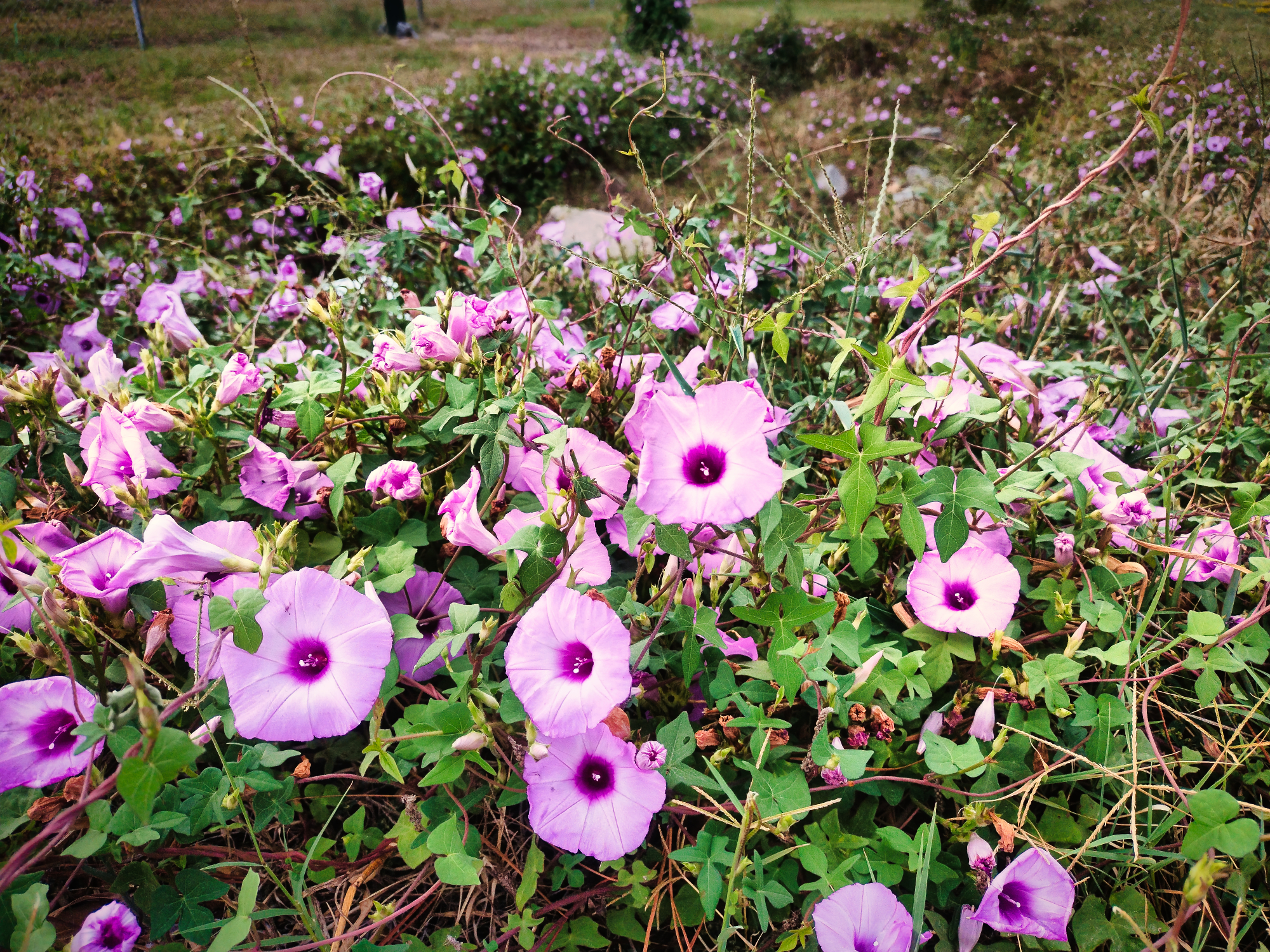
Decided on using end of summer flowers. The featured image (according to Google): This flowering vine is Tievine (Ipomoea cordatotriloba), a perennial climbing or sprawling vine in the morning glory family. It is also frequently referred to as purple bindweed or sharp-pod morning-glory.
- Flowers: Trumpet-shaped, pale pinkish-purple to lavender blossoms with a distinctly deeper, dark purple or magenta throat.
- Leaves: A mix of heart-shaped (cordate) and sharp, three-lobed leaves that weave densely through surrounding grasses.
- Growth Habit: Sprawls extensively along the ground forming low mats, but will aggressively twist around fences, shrubs, or structural edges.
🌿 Characteristics & Management:
Aggressive Growth: Because it spreads rapidly via both root sprouts and seeds, it is often viewed as a persistent garden weed. In fact, it is officially classified as a prohibited noxious weed in some regions like Arkansas and Arizona.
Below is one i started to use.
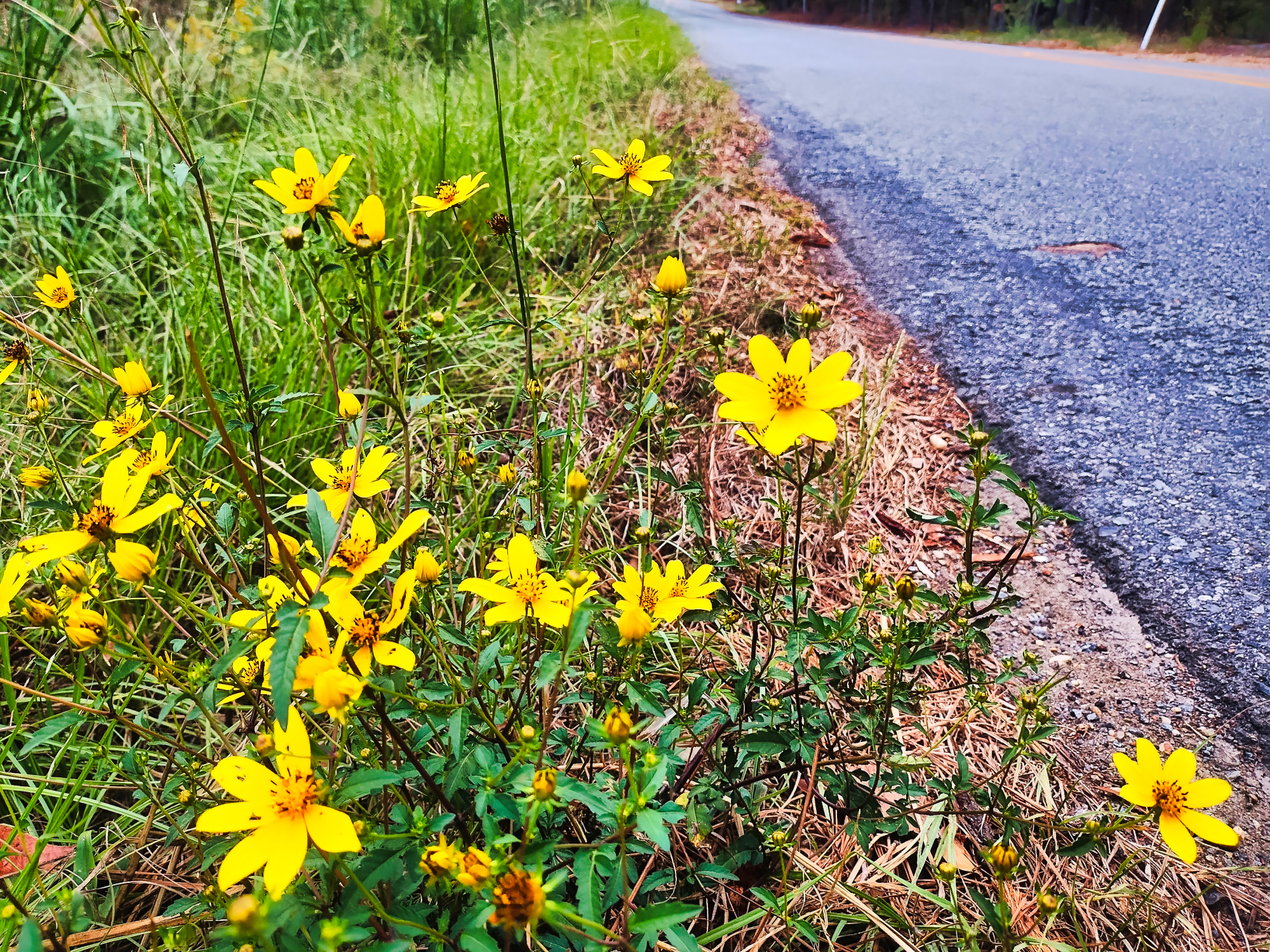
According to Google: This wildflower is Bearded Beggarticks (Bidens aristosa). It is commonly known as the tickseed sunflower, long-bracted beggar-ticks, or swamp marigold.
- Blooms: Bright yellow daisy-like flower heads, typically sporting 8 distinct, widely spaced ray petals surrounding a darker orange-yellow center disc.
- Foliage: Deeply divided, sharply serrated, opposite green leaves branching along the lower stems.
- Habit: An annual wildflower that pops up abundantly in late summer and early autumn, often creating dense blankets of yellow color along damp roadsides, ditches, and old fields.
Ecological Value: They are native to central and eastern North America. They are highly attractive to local pollinators like native bees, wasps, and butterflies seeking late-season nectar
The “Tick” Connection: The name Bidens (meaning “two-toothed”) and “beggarticks” comes from the small, flat seed pods that form after blooming. They are lined with tiny downward-pointing barbs that hitchhike on clothing or pet fur to spread to new locations.